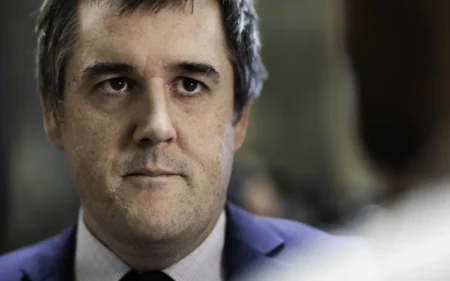




Mike Bain/cvnznews.com
National’s election result may not only have exposed weaknesses in the party’s electoral strategy. It could also mark the moment New Zealand politics begins a generational transition.
Predictably, the commentariat has already begun questioning whether Christopher Luxon remains the right person to lead National into the future. That debate will continue in the weeks ahead.
But perhaps the bigger question is not who leads National tomorrow. It is what sort of National Party New Zealand will need ten years from now.
Despite remaining a major political force, National now faces the reality of losing some of its most experienced parliamentary talent. The apparent departures of senior figures such as Nicola Willis, Chris Bishop and Paul Goldsmith leave significant holes in a party that already finds itself navigating a more fragmented political landscape.
For that reason alone, any panicked leadership reset would be a mistake.
If anything, National needs to ensure that capable performers such as Mark Mitchell, Simeon Brown and Erica Stanford remain in portfolios where they have established credibility and delivered results. Constant reshuffling may satisfy political commentators, but voters generally reward competence and consistency.
Yet there is another challenge National cannot afford to ignore.
Look across modern politics and a pattern emerges. The Opportunity Party found a fresh, media-

Elected MP for Hauraki Waikato
friendly face in Qiulae Wong. The Greens have long benefited from Chloe Swarbrick’s ability to connect with younger voters. Te Pāti Māori elevated Hana-Rāwhiti Maipi-Clarke, providing a youthful and energetic public presence.
Whether voters agree with their politics is almost beside the point.
They noticed them.
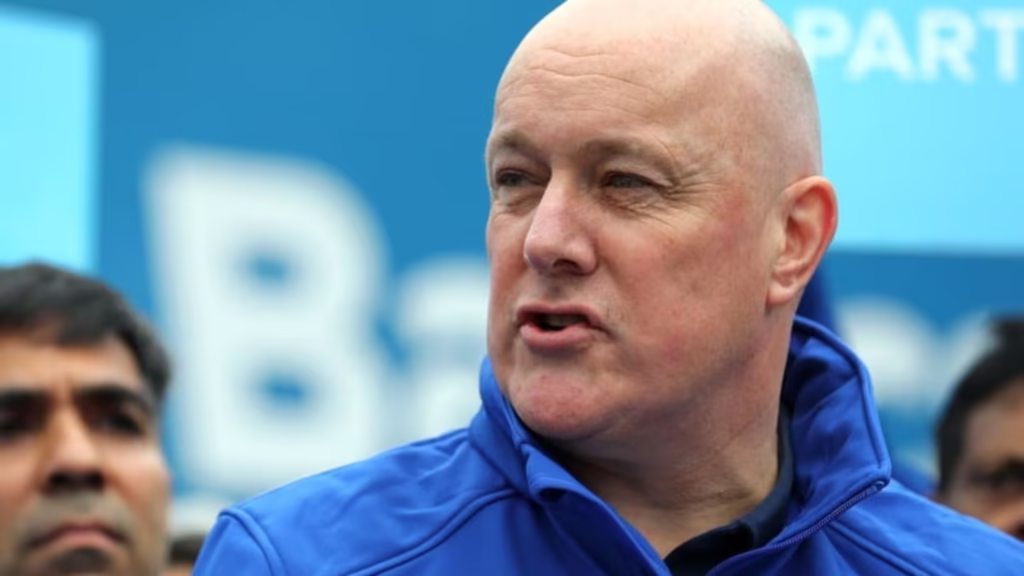
National’s public face, by comparison, increasingly appears drawn from an older political generation. Competent? Certainly. Experienced? Undoubtedly. But politics is also about connection, energy and persuading the next generation that your movement still has a future.
That is why National should be looking beyond today’s leadership debate. Figures such as James Meager represent a newer generation of conservative politics and deserve serious consideration for greater prominence.
The baby boomer era is drawing to a close. The parties that recognise this first will have an advantage.
National doesn’t necessarily need a new leader.
But it may need a new look.
And after this election, that conversation can no longer be postponed.