

Mike Bain/cvnznews.com
The discovery that more than 2,200 properties in Porirua face some degree of flood risk is likely to concern homeowners, insurers and local authorities alike.
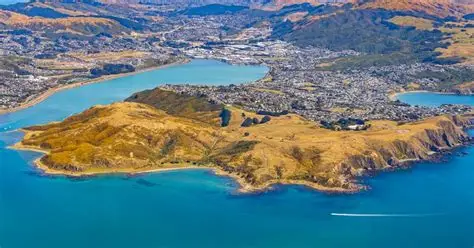
Updated modelling has identified flood hazards affecting properties across Whitby, Mana, Pukerua Bay, Aotea and Paremata, resulting in changes to the Porirua District Plan. The aim, according to the council, is to ensure future development decisions are made with the best available information and do not increase risks to neighbouring properties.
That objective is difficult to dispute. Few New Zealanders would argue against better planning or improved protection from natural hazards.
However, the latest announcement raises a broader question that is becoming increasingly important across the country: when flood risks are identified decades after homes were built, who should bear the cost?
Many of the affected properties were legally consented and developed under the planning rules of the day. Homeowners purchased their properties in good faith, often relying on council approvals, engineering assessments and official planning documents.
At the same time, councils are not necessarily dealing with negligence or poor decision-making from the past. Advances in computer modelling, improved data collection and a greater understanding of weather patterns mean risks can now be identified with much greater precision than was possible decades ago.
In other words, what is known today is not always what was known when subdivisions were approved.
The challenge is that updated information can have real-world consequences. Property values may be affected. Insurance premiums may rise. In some cases, future development options may become more limited.
That is where the debate becomes complicated.
Should individual homeowners carry the consequences of decisions that were approved by councils years ago?
Should current ratepayers fund large-scale mitigation or adaptation measures that benefit specific neighbourhoods?
Or is there a role for central government, recognising that climate-related risks are increasingly becoming a national issue rather than simply a local one?
There are no easy answers.
What is clear is that communities need honest conversations about risk, responsibility and affordability. Flood maps may help identify the problem, but they do not automatically solve the question of who ultimately pays.
As more councils update hazard information around New Zealand, Porirua is unlikely to be the last city forced to confront that reality.