



Mike Bain/cvnznews.com
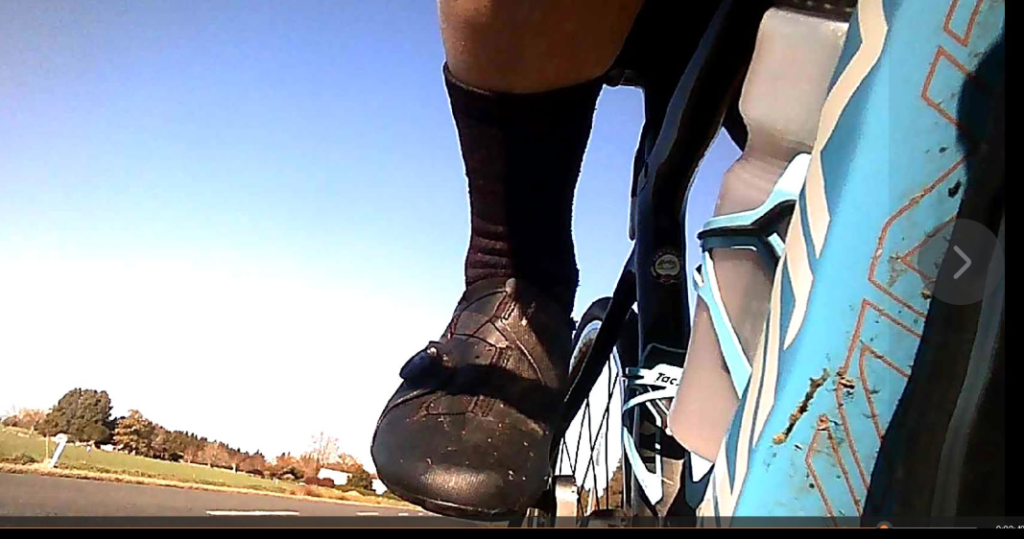
For years, cyclists have complained about vehicles brushing past them with barely enough room to stay upright.
From October 1, that changes.
New Zealand’s new mandatory passing-distance law will require motorists to leave at least 1.5 metres when overtaking cyclists, pedestrians, horse riders and other vulnerable road users, marking one of the most significant road safety changes in recent years.
Road safety advocates are welcoming the move as a long-overdue step that could prevent serious injuries and save lives.
The new rules replace previous recommendations with a clear legal requirement, meaning drivers who pass too closely now face a $300 infringement fine.

The New Zealand Vulnerable Road User Charitable Trust says the law recognises what cyclists, walkers and horse riders have been saying for years: being overtaken at speed with little room to spare can be frightening and dangerous.
Trust chair Julia McLean described the new requirement as a landmark moment for road safety.
“For years, pedestrians, cyclists and horse riders have been calling for stronger measures to reduce the risk of serious injury and death caused by unsafe overtaking,” she said.
The inclusion of horse riders is particularly significant. While road safety discussions often focus on cyclists, horse riders remain among the country’s most exposed road users. Safety advocates note that horses can react unpredictably to noise, speed and sudden movements, creating risks for both rider and driver.
Despite welcoming the new law, campaigners say motorists should view the 1.5-metre rule as a minimum standard rather than a target.
The Trust continues to encourage drivers to slow down and leave even greater distances where possible, particularly around horses, where international guidance recommends at least two metres of space and much lower speeds.
The organisation’s “Pass Wide and Slow” campaign has long pushed for safer overtaking behaviour and believes the law sends an important signal about sharing the road responsibly.
For the thousands of New Zealanders who cycle to work, walk on rural roads or ride horses, the change offers something many have sought for years: greater confidence that other road users must now give them the space they need to get home safely.