



Sarah McMillan/cvnznews.com
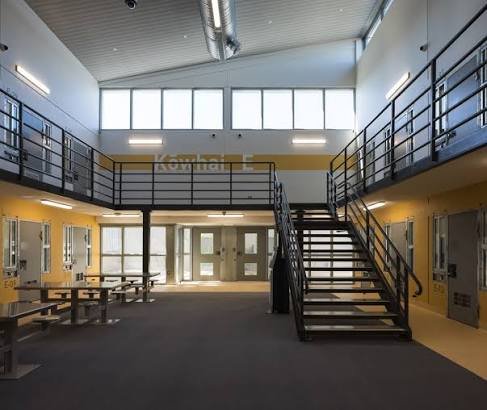
Lawyers say recent Corrections cuts to community bail services are trapping people in prison not because they pose a danger, but because they have nowhere suitable to stay.
Until July, iwi organisations ran six community bail beds with wrap‑around support. Those contracts were terminated after a Corrections review claimed there was “no evidence” the programmes delivered value for taxpayers. The result: just 10 bail beds remain nationwide, all contracted through Auckland’s Grace Foundation.
Criminal Bar Association vice president Sumudu Thode says the impact is immediate and severe. With 41 percent of the prison population now on remand—4,616 people as of 30 June—many are behind bars solely because they are homeless or their address was deemed unsuitable.
Read More: More people serving time in prison before being found not guilty, data shows | RNZ
Govt pushes to improve access to rehab for remand prisoners | RNZ
“We’ve all got clients who would get bail otherwise, but there’s simply no roof we can secure for them,” Thode says. “Six beds doesn’t sound like much, but that’s six people who don’t need to be in prison.”
Canterbury Howard League co‑president Cosmo Jeffrey says court delays since Covid mean people can spend months or even years on remand, only to be found not guilty. “They give up months of their life and walk away sour—and rightfully so.”
Jeffrey warns the Government’s Move On Orders Bill will worsen the situation. Ministry of Justice modelling shows the bill could add 200–800 extra court cases and send six more people to prison each year, many of them homeless. “They don’t have a home, so they get locked up. That’s the only reason.”
Te Mana Ngāpuhi Kōwhao Rau, one of the cut iwi providers, says its service offered housing, rehabilitation support and family engagement—exactly what defendants need to succeed on bail.
Meanwhile, taxpayers pay $414 a day to keep someone on remand, with the average stay lasting 84 days.
Corrections says it still offers its own bail support service, helping defendants find suitable addresses. But lawyers argue the cuts have left a gaping hole—and people are paying for it with their freedom.