

Mike Bain/cvnznews.com
Labour has unveiled a new rent-to-buy housing policy aimed at helping more New Zealanders into their first home, but questions are already being raised about how the scheme will be funded and whether sufficient safeguards exist to prevent long-term dependence on taxpayer support.
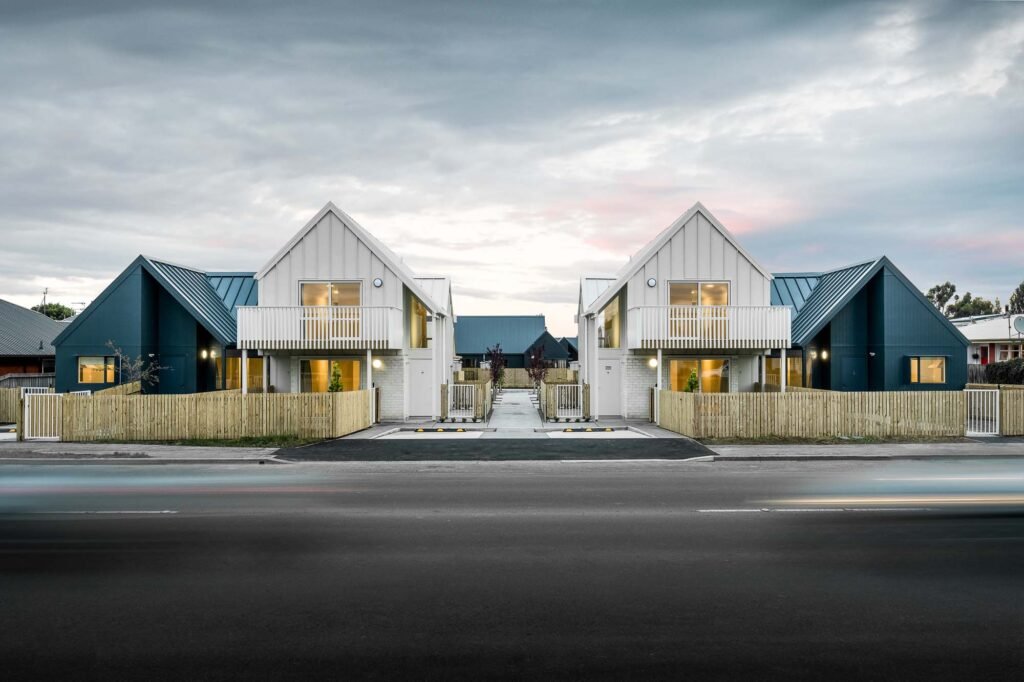
The policy would introduce a pathway for eligible Kāinga Ora and community housing tenants to move from renting to owning their homes. Labour also plans to expand the First Home Loan scheme by increasing the income eligibility cap to $300,000 while keeping deposit requirements at just five percent.
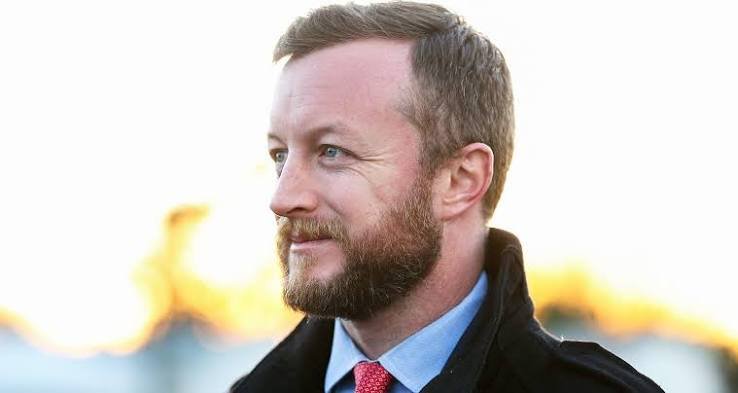
Housing spokesman Labour.
Labour leader Chris Hipkins said many New Zealanders can afford mortgage repayments but struggle to save for a deposit while paying high living costs.
“People are working hard and doing their best to save, but with rent, groceries, power and other bills taking up so much of the household budget, getting together a house deposit can feel impossible,” Hipkins said.
Housing spokesperson Kieran McAnulty argued the policy would make home ownership more achievable for working families. Under the proposal, rent-to-buy participants would receive credits toward a future deposit, with those funds held in trust accounts. Eligible buyers could then combine those credits with the government’s First Home Loan scheme to purchase their homes.
However, during an interview on Newstalk ZB, McAnulty acknowledged Labour had not yet completed costings for the policy, leaving uncertainty around its eventual price tag to taxpayers.
Further questions were raised when McAnulty was asked whether there would be a timeline or cut-off point where government support through Kāinga Ora would cease. He reportedly said there would not be.

Critics say that creates a risk the scheme could become open-ended, with taxpayers potentially underwriting assistance without a clearly defined transition point. They argue that without firm limits or eligibility timeframes, governments could struggle to ensure resources are directed toward those with the greatest need.
Labour insists the policy would not reduce public housing stock, promising Kāinga Ora would build three new public homes for every property sold through the rent-to-buy programme, with proceeds reinvested into new developments.
The proposal forms part of Labour’s broader election-year housing package, but with costings yet to be released, debate is likely to intensify over whether the promise is affordable and sustainable in practice.